Introduction
In the ever-evolving landscape of medical care, the focus on client care continues to expand. One area that has acquired considerable attention is enteral nutrition, specifically with Percutaneous Endoscopic Gastrostomy (PEG) feeding. Transforming Person Treatment Via Effective PEG Feeding Techniques is not just an ambition yet a need in giving high quality take care of patients who call for dietary assistance due to different medical conditions. This write-up dives deep right into the nuances of PEG feeding, the training entailed for healthcare specialists, and how these techniques can dramatically boost individual outcomes.
What is PEG Feeding?
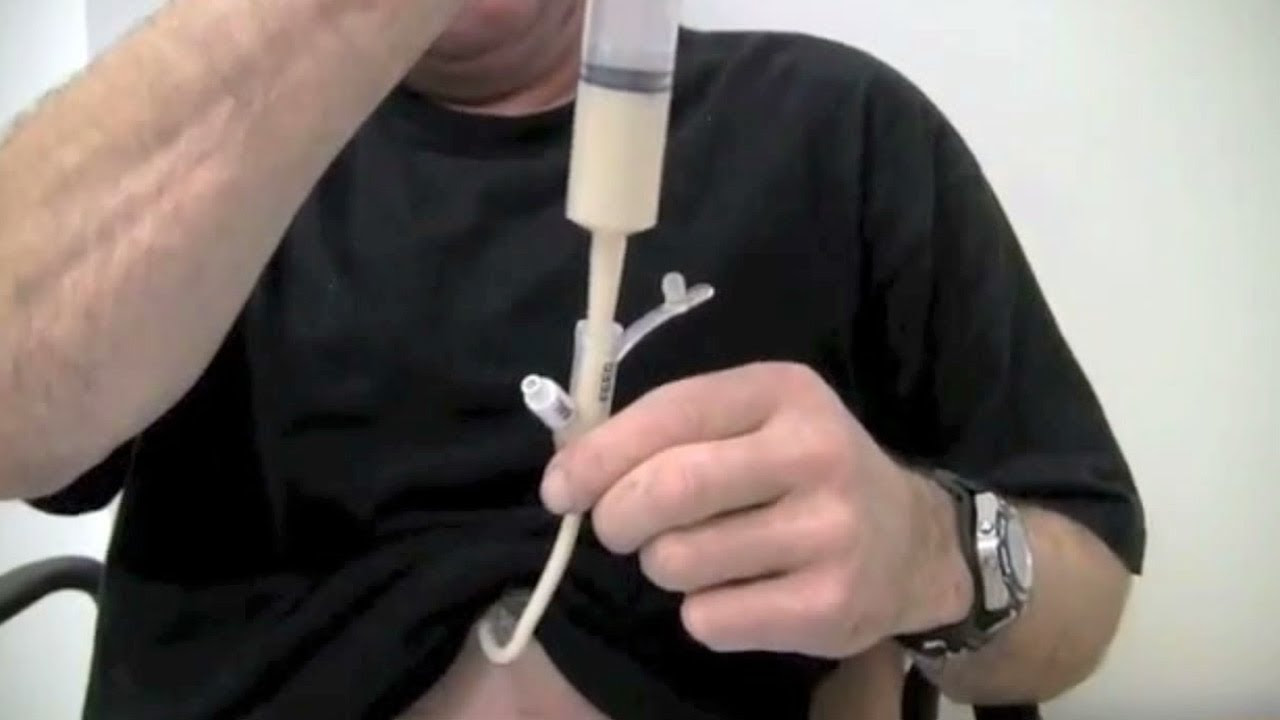
PEG feeding refers to a method of providing nourishment straight to the belly through a tube placed through the stomach wall. This technique is generally utilized when patients are unable to consume food by mouth as a result of various factors, such as neurological conditions, cancers, or other debilitating conditions.
Why is PEG Feeding Necessary?
Nutritional Support: Lots of people deal with difficulties in swallowing or absorbing food because of their clinical conditions. Quality of Life: Proper nutrition enhances recovery and improves overall top quality of life. Long-Term Solution: Unlike short-lived feeding methods, PEG tubes offer a long-term solution for individuals needing continuous nutrition.The Relevance of Enteral Feeding Training
To make certain effective execution of PEG feeding techniques, medical care specialists must undertake customized training. Programs such as enteral feeding assistance courses and PEG training for nurses play a critical role in equipping them with the essential skills.
Key Elements of Enteral Feeding Training
- Understanding Makeup and Physiology Tube Placement Techniques Nutrition Formulation Monitoring and Maintenance
Why Invest in PEG Educating Courses?
Investing in top quality training makes sure that healthcare providers are proficient at taking care of complications and making notified decisions regarding patient care.
Types of PEG Feeding Training Available
1. PEG Training for Nurses
Nurses play a pivotal function in client care, especially when managing enteral feeding systems. Specialized courses help them comprehend both theoretical https://mylesvzrl387.almoheet-travel.com/the-science-behind-enteral-feeding-key-principles-covered-in-our-training-course understanding and sensible abilities associated with fix feeding.
2. PEG Training Programs for Support Workers
Support employees additionally take advantage of committed training programs that empower them with appropriate expertise about looking after individuals on PEG feedings.
3. Enteral Feeding Assistance Course
These training courses offer detailed insights into nutritional requirements tailored to private patient requirements.
Benefits of Efficient PEG Feeding Techniques
Effective application of PEG feeding techniques can bring about various benefits:
Reduced Danger of Complications: Correct training minimizes the chances of infections or tube dislodgement. Enhanced Nutritional Intake: Customized nutrition strategies can be developed based on specific client needs. Improved Client Comfort: Clients experience much less discomfort when they receive correct treatment throughout their feedings.Challenges in Implementing PEG Feeding Techniques
Despite its benefits, there are obstacles associated with carrying out reliable PEG feeding techniques:
1. Patient Resistance
Some individuals may withstand entering into a PEG feeding program as a result of mistaken beliefs regarding its purpose or prospective discomfort.
2. Technical Difficulties
Healthcare carriers may come across technological problems throughout tube insertion or upkeep, requiring recurring education and learning and practice.
3. Monitoring Nutritional Intake
Ensuring that people receive ample nourishment can be testing without appropriate systems in position for monitoring consumption effectively.
Best Practices for Effective PEG Feeding Implementation
To enhance patient outcomes through reliable PEG feeding strategies, take into consideration these best practices:
1. Thorough Evaluation Before Insertion
Conducting a thorough evaluation aids ensure that the choice for a PEG tube positioning straightens with the individual's needs.
2. Patient Education and learning and Involvement
Engaging patients and their families in conversations concerning PEG feeding can relieve fears and advertise acceptance.
3. Regular Tracking and Follow-Up Care
Ongoing analyses after tube insertion are necessary for making certain optimum function and dealing with any type of emerging concerns promptly.
Transforming Individual Care Via Effective PEG Feeding Techniques: Instance Researches & Evidence-Based Practice
Numerous researches have actually revealed that implementing robust enteral nourishment methods significantly enhances client outcomes throughout various settings:
Case Research # 1: Neurological Disorders
Patients recuperating from strokes have shown enhanced recuperation prices when receiving proper nutritional assistance by means of PEG tubes compared to conventional methods.
Case Research study # 2: Cancer cells Patients
Cancer individuals undergoing radiation treatment usually have problem with preserving ample nutritional intake; effective use of enteral nutrition has actually demonstrated benefits in weight administration and therapy tolerance.
FAQ Section
Q1: What credentials do I require for NDIS peg feeding training?
A1: Normally, you ought to hold relevant nursing or allied wellness qualifications together with experience collaborating with enteral feeding systems prior to enrolling in NDIS peg feeding training programs.

Q2: How long does it take to complete enteral feeding training?
A2: Most enteral feeding training courses vary from someday workshops to several weeks depending on depth; however, many supply flexible online modules too!
Q3: Can any individual execute peg feedings?
A3: Only trained medical care specialists must administer fix feedings; this consists of nurses and assistance employees that have actually undertaken details secure training courses.

Q4: What sorts of dietary formulas are used in enteral feedings?
A4: Numerous formulas exist varying from common polymeric diets to customized ones made for particular medical problems like diabetic issues or kidney failure.
Q5: Is there a danger associated with making use of a peg tube?
A5: Yes, risks consist of infection at the insertion site or problems like tube dislodgement; routine tracking can aid reduce these dangers significantly!
Q6: How often must secure tube positionings be monitored?
A6: Normal evaluations must happen a minimum of as soon as every shift by nursing personnel; nevertheless, more constant checks might be essential based on private person needs!
Conclusion
In verdict, transforming client treatment through efficient PEG feeding techniques develops opportunities for better health outcomes amongst vulnerable populations that rely upon enteral nutrition support. By spending time into durable training programs like NDIS peg feeding training and identifying the value of complete assessments before insertion while highlighting ongoing education-- doctor can make substantial renovations within this vital area! As we progress right into an increasingly complicated world where nutritional requirements will just continue expanding-- you'll want your group prepared!
Let's welcome these advancements with each other due to the fact that every step towards grasping PEG techniques adds favorably in the direction of boosting lives through thoughtful medical interventions!